Acrylic Application for Accessories: Stylish, Durable, and Versatile

Informational

Cast acrylic sheets have become one of the most popular materials in the fashion and lifestyle industry. It can also offer endless design possibilities for accessories. 

From jewelry to display stands, acrylic provides both functionality and aesthetic appeal, making it an ideal choice for modern accessories.

Why Acrylic Works Well for Accessories

Cast acrylic sheets offer several advantages that make them suitable for wearable and decorative items. Acrylic is lightweight, making it comfortable to wear as jewelry.

It is also highly versatile; designers can cut, engrave, bend, polish, or print on acrylic to achieve various styles and creative finishes.

Its durability ensures that accessories maintain their shape and color over time, while its smooth surface gives a premium look similar to glass, without the fragility.

Another key benefit is the availability of acrylic sheets in different colors, textures, and transparency levels. Whether the goal is to create a minimal, elegant design or a bold statement piece, acrylic can match almost any creative concept.

Read also: Does Acrylic Shatter? Find Out Its Strength and Durability

Popular Acrylic-Based Accessories and Their Applications

1. Acrylic Bracelets

Acrylic bracelets are widely appreciated for their modern and minimalist appearance. They can be produced in clear, opaque, or patterned finishes and shaped using heat to create various designs.

Their lightweight nature makes them comfortable for daily wear, while their smooth surface offers a clean, polished look.

2. Acrylic Necklaces

Necklaces made from acrylic often feature geometric shapes, layered designs, or laser-cut artwork.

Clear or colored acrylic pendants provide a striking visual effect, and the material’s durability ensures the necklace remains scratch-resistant and long-lasting.

3. Acrylic Earrings

Acrylic earrings allow designers to experiment with bold shapes and vibrant colors. From large statement earrings to delicate studs, acrylic can be cut into intricate designs with high precision.

The material is also hypoallergenic, making it safe for most users.

4. Acrylic Keychains

Acrylic keychains are popular for both personal use and promotional items. They can be printed with artwork, engraved with names, or shaped into custom forms.

Acrylic’s durability ensures that keychains resist scratches and wear, even with daily use.

5. Acrylic Earring Display Stands

Beyond wearable accessories, acrylic is also used to create elegant display stands for jewelry stores or craft exhibitions.

Clear acrylic stands highlight the earrings without distracting from the product, while colored acrylic offers a more stylish presentation. The material’s rigidity ensures the stand remains stable and functional.

Read also: Acrylic Ideas for Home Decor You'll Love

6. Additional Acrylic Accessories

Other accessories include bag charms, phone charms, hair clips, brooches, and decorative desk items. Acrylic’s flexibility in design makes it suitable for both fashion-forward items and functional lifestyle accessories.

Conclusion

Acrylic accessories offer a combination of beauty, durability, and creative freedom that few materials can match.

With cast acrylic sheets from Marga Cipta, designers and brands can produce high-quality bracelets, earrings, keychains, display stands, and more.

As the demand for modern and customizable accessories continues to grow, acrylic remains one of the most versatile and reliable materials for stylish fashion and lifestyle products.

At Margacipta Wirasentosa, we supply premium cast acrylic sheets in a wide range of thicknesses, colors, and finishes to suit your unique project needs.

Ready to upgrade from glass to acrylic?

Visit our Instagram for more details about our cast acrylic sheets.


News Release

Why Does Acrylic Become Brittle? Common Mistakes You Should Avoid

Acrylic becomes brittle due to factors such as improper cleaning, excessive heat exposure, UV damage, and poor material handling.

Over time, these conditions can weaken the structure of acrylic sheets, making them more prone to cracking or breaking.

Understanding what causes acrylic to become brittle is important for maintaining its durability and appearance.

What Causes Acrylic to Become Brittle?

Although acrylic is known for its strength and durability, it can lose flexibility if exposed to damaging conditions for extended periods.

Several common factors contribute to brittleness.

Read also: Best Acrylic Thickness for Plaque: Complete Guide for Durable Results

1. Exposure to Harsh Chemicals

One of the biggest causes of brittle acrylic is the use of aggressive cleaning chemicals.

Chemicals such as:

  • Ammonia-based cleaners
  • Alcohol-based liquids
  • Strong solvents

can damage the acrylic surface and weaken its internal structure.

Over time, this may lead to:

  • Surface cracking
  • Cloudiness
  • Reduced flexibility

Using acrylic-safe cleaners is essential for long-term durability.

2. Excessive Heat

High temperatures can affect the stability of acrylic sheets.

Continuous exposure to excessive heat may cause:

  • Warping
  • Surface stress
  • Increased brittleness

Acrylic should be kept away from direct heat sources or environments with extreme temperature fluctuations.

3. UV Exposure Over Time

While many acrylic sheets have good UV resistance, prolonged outdoor exposure can still contribute to material aging.

Without proper UV protection, acrylic may gradually:

  • Become dry and rigid
  • Lose clarity
  • Develop microcracks

Using high-quality UV-resistant acrylic helps minimize this issue.

4. Improper Fabrication

Incorrect fabrication methods can introduce stress into the material.

Examples include:

  • Excessive drilling pressure
  • Poor cutting techniques
  • Uneven bending processes

These internal stresses may not appear immediately but can eventually cause cracks or brittleness.

Using proper fabrication equipment and high-quality acrylic sheets helps reduce the risk.

5. Poor Material Quality

Low-quality acrylic sheets are generally more susceptible to damage and brittleness.

Inferior materials may have:

  • Inconsistent composition
  • Lower impact resistance
  • Poor durability over time

This is why choosing reliable acrylic suppliers is important for long-term performance.

How to Prevent Acrylic from Becoming Brittle

To maintain acrylic durability:

  • Use mild acrylic-safe cleaners
  • Avoid excessive heat exposure
  • Store materials properly
  • Use correct fabrication techniques
  • Choose high-quality acrylic sheets

Proper maintenance significantly extends the lifespan of acrylic applications.

Why Acrylic Quality Matters

Premium acrylic sheets provide:

  • Better structural stability
  • Improved UV resistance
  • More consistent fabrication performance

For businesses and manufacturers, high-quality materials help reduce production defects and improve long-term reliability.

Marga Cipta supplies high-quality acrylic sheets suitable for signage, fabrication, displays, and decorative applications.

Read also: Best Acrylic Thickness for Ornaments: Size Guide for Perfect Results

Conclusion

Understanding what makes acrylic brittle helps prevent unnecessary damage and extends the lifespan of acrylic materials.

Factors such as harsh chemicals, heat exposure, UV damage, and improper fabrication can weaken acrylic over time. By using proper handling methods and high-quality acrylic sheets, you can maintain durability and achieve better long-term performance.

Ready to explore our cast acrylic options? At Margacipta Wirasentosa, we offer high-quality clear cast acrylic sheets from 100% virgin MMA in various thicknesses and custom sizes to fit your needs.

Reach out to our Instagram or download our Product Catalog for more information.

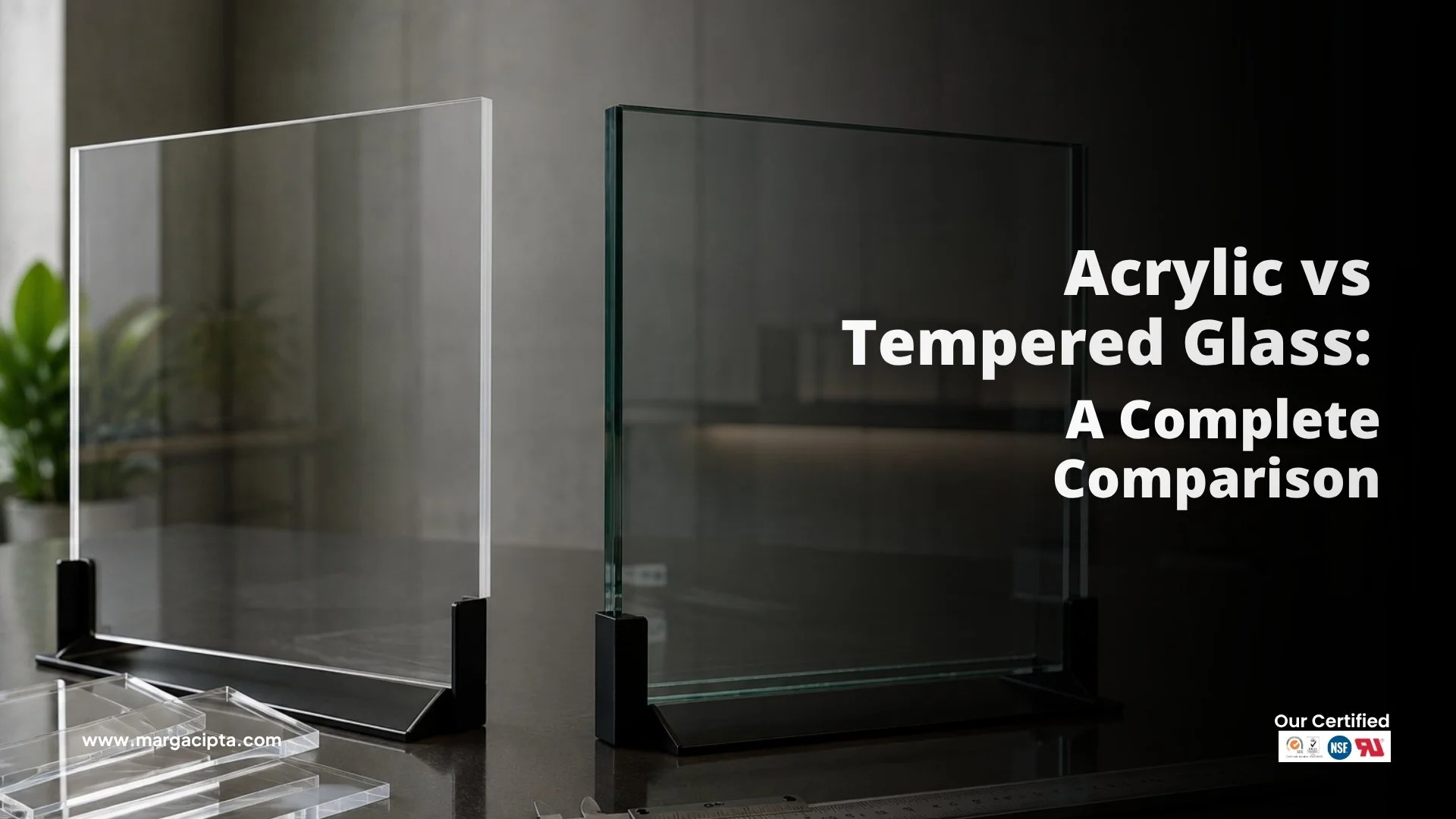
Acrylic vs Tempered Glass: A Complete Comparison

When comparing acrylic vs tempered glass, acrylic is generally the better choice for applications requiring lightweight construction, design flexibility, and impact resistance, while tempered glass is preferred for environments that demand superior scratch resistance and heat tolerance.

Although both materials offer excellent transparency, they differ significantly in weight, durability, fabrication, and cost. Understanding these differences helps businesses, designers, and fabricators select the most suitable material for their projects.

Acrylic vs Tempered Glass at a Glance

Here's a quick comparison.

Feature Acrylic Tempered Glass
Transparency Excellent Excellent
Weight Lightweight Heavy
Impact Resistance High Moderate
Scratch Resistance Moderate Excellent
Fabrication Easy Limited
Custom Shapes Excellent Difficult
Breakage Less likely to shatter Can shatter into small pieces

Both materials have strengths, but the best option depends on the intended application.

Read also: Best Acrylic Thickness for Ornaments: Size Guide for Perfect Results

Weight

One of acrylic's biggest advantages is its lightweight construction.

Acrylic sheets weigh approximately half as much as glass, making them easier to:

  • Transport
  • Install
  • Handle
  • Fabricate

For large signage, exhibition booths, and retail displays, this weight reduction can significantly lower installation effort and transportation costs.

Impact Resistance

Although tempered glass is much stronger than standard glass, acrylic generally offers higher impact resistance.

If subjected to accidental impact, acrylic is less likely to shatter into fragments.

This makes acrylic suitable for:

  • Retail displays
  • Protective barriers
  • Machine guards
  • Product showcases
  • Public display systems

Optical Clarity

Both materials provide excellent transparency.

Premium cast acrylic offers exceptional optical clarity that closely resembles glass while maintaining a lighter structure.

For many commercial applications, customers experience little visual difference between high-quality acrylic and tempered glass.

Fabrication Flexibility

Acrylic is significantly easier to fabricate.

It can be:

  • Laser cut
  • CNC machined
  • Thermoformed
  • Engraved
  • UV printed
  • Polished

Tempered glass, however, must be cut and processed before the tempering process. Once tempered, it cannot be drilled or reshaped.

This makes acrylic the preferred material for custom fabrication projects.

Cost Considerations

Project cost extends beyond the material price.

Because acrylic is lighter and easier to fabricate, businesses often benefit from:

  • Lower transportation costs
  • Faster installation
  • Reduced breakage risk
  • More affordable customization

These advantages can improve the overall cost efficiency of a project.

Common Applications

Acrylic

Ideal for:

  • Signage
  • Retail displays
  • Exhibition booths
  • Product displays
  • Interior design
  • Decorative panels

Tempered Glass

Commonly used for:

  • Shower enclosures
  • Building windows
  • Glass doors
  • Safety glazing
  • Architectural installations

Read also: Laser Cut Acrylic Sheet: Benefits, Applications, and Design Tips

Why High-Quality Acrylic Matters

The performance of acrylic depends on its quality.

Premium cast acrylic sheets provide:

  • Superior clarity
  • Better weather resistance
  • Consistent thickness
  • Excellent fabrication performance
  • Long-lasting durability

Marga Cipta manufactures premium cast acrylic sheets suitable for signage, displays, architecture, industrial fabrication, and custom projects.

Conclusion

When comparing acrylic vs tempered glass, acrylic offers greater versatility, lighter weight, and easier fabrication, making it the preferred material for many commercial and design applications.

For projects requiring custom fabrication, premium appearance, and long-term performance, high-quality acrylic sheets provide an excellent solution.

Source Premium Acrylic Sheets from Marga Cipta

Marga Cipta supplies premium cast acrylic sheets in various thicknesses, colors, and finishes for signage, displays, architectural projects, and custom fabrication.

For inquiries or orders, email info@margacipta.com.

For product updates, inspiration, and application ideas, follow Instagram @margacipta.

Acrylic Sheet Thickness Guide: How to Choose the Right One

When working with acrylic sheets for your project, whether it's for signage, display units, or protective panels, choosing the right acrylic sheet thickness is just as important as selecting the right color or finish. 

Thickness affects not only the durability and appearance of your acrylic but also how it performs under pressure or load.

In this guide, we’ll walk you through different acrylic sheet thickness options and the types of projects they’re best suited for.

Why Acrylic Sheet Thickness Matters

The thickness of an acrylic sheet determines its strength, rigidity, and suitability for specific uses. 

A sheet that is too thin might bend or crack under stress, while one that’s too thick could be unnecessarily heavy and more costly. 

By understanding how each thickness performs, you can make a more informed decision that balances durability, appearance, and budget.

Read also: Choose the Right Cast Acrylic Color for Your Project

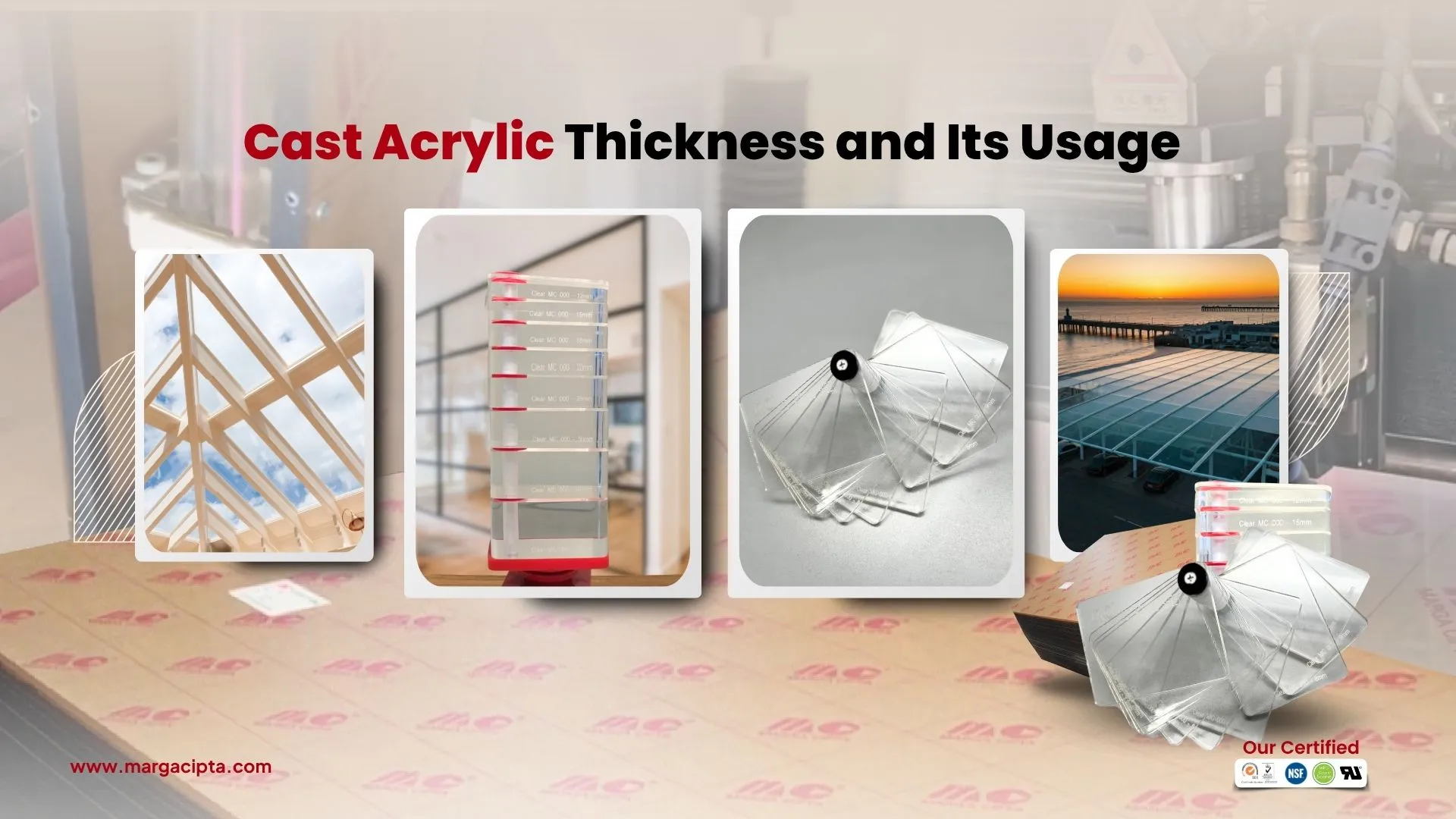
1. Thin Acrylic Sheets (1.5mm–3mm): Lightweight and Flexible

These thin sheets are commonly used for light-duty applications such as brochure holders, menu covers, small signage, DIY crafts, and protective face shields. 

They’re easy to cut and shape, making them ideal for creative and decorative projects that don’t require heavy impact resistance.

However, due to their flexibility, they are not recommended for structures that need to support weight or endure constant handling.

2. Medium Thickness (4.5mm–6mm): Versatile and Sturdy

Acrylic sheets in the mid-range thickness offer a perfect balance between flexibility and strength. This makes them suitable for a wide range of uses, including display cases, retail fixtures, and architectural panels. 

They provide good visual clarity and resistance to breakage, while still being lightweight enough for wall-mounted or suspended designs.

These are often used in interior partitions, desk dividers, or lightboxes, especially when durability and a polished appearance are both priorities.

3. Thick Acrylic Sheets (8mm–12mm): Durable and Impact-Resistant

For applications that require greater structural strength, such as aquarium panels, furniture, shelving, or heavy-duty display stands, thicker acrylic sheets in the 8mm to 12mm range are a solid choice. 

These sheets can withstand more weight and pressure, offering high impact resistance and rigidity.

Thicker sheets also provide better sound insulation and can be used in environments where both functionality and safety are essential.

Read also: Benefits of Using Clear Cast Acrylic Sheet

4. Extra Thick Acrylic (15mm and above): Structural and Architectural Uses

At 15mm or thicker, acrylic sheets are often chosen for architectural glazing, outdoor signage, large installations, and furniture with load-bearing needs. 

These sheets are highly rigid and can serve as structural components or even as an alternative to glass in many applications.

They’re often used in museums, commercial buildings, and high-end retail designs where aesthetics and strength go hand in hand.

How to Choose the Right Thickness for Your Project

To select the right acrylic sheet thickness, here are some things to consider:

  • Weight or pressure the sheet needs to support
  • Installation method (e.g., freestanding, wall-mounted, framed)
  • Environmental exposure (e.g., indoor vs. outdoor)
  • Aesthetic requirements (how polished or sleek it should appear)
  • Budget considerations

If you’re working with lighting, remember that thinner sheets may allow better light transmission, while thicker sheets can give a more diffused and solid look.

Understanding acrylic sheet thickness is crucial for ensuring that your design looks great and performs as expected. 

From delicate crafts to structural installations, choosing the right thickness enhances both the function and lifespan of your acrylic piece.

At Margacipta Wirasentosa, we offer a wide range of acrylic sheet thicknesses tailored for every kind of project.

Need help finding the right acrylic sheet thickness? Contact our team or visit our Instagram for recommendations and high-quality cast acrylic sheets that match your vision.

Thank you for Joining our Booth at FESPA

We had amazing week in FESPA Global Print & European Signs Expo Messe München. We were so excited to showcase our latest products and services, discussing face to face with you during the Fespa Event.

Thank you for joining our booth, we really appreciate your support and look forward to growing together with Marga Cipta family. Vielen Dank für Ihren Besuch an unserem Stand, See you in the next year!