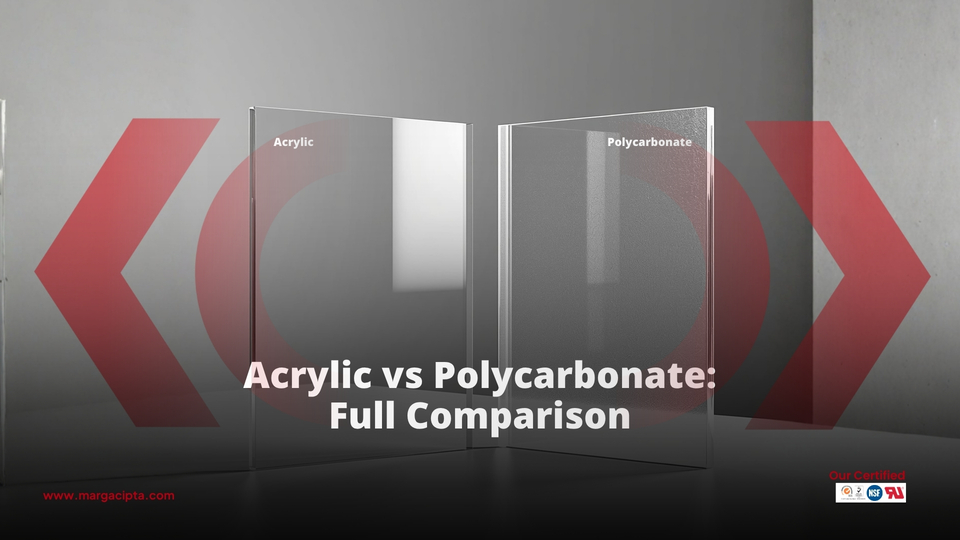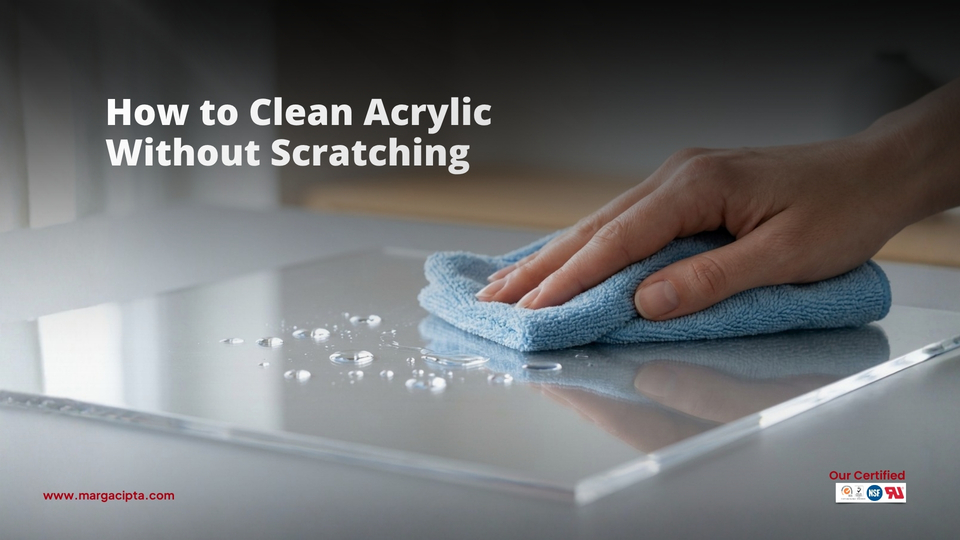
How to Clean Acrylic Without Scratching

Acrylic is a popular material used in signage, displays, furniture, and protective panels due to its clarity and lightweight properties. However, cleaning acrylic requires special care. If done incorrectly, it can easily get scratched, reducing its visual quality.

In this guide, we will show you how to clean acrylic without scratching so you can maintain its clarity and extend its lifespan.

1. Remove Dust Before Cleaning

Before applying any liquid cleaner, always remove dust and loose particles from the surface. Dust can act like abrasive material and cause scratches when wiped.

Use a soft microfiber cloth or a gentle air blower to remove debris. Avoid using rough fabrics or paper towels, as they can damage the surface.

Read also: Benefits of Using Clear Cast Acrylic Sheet

2. Use the Right Cleaning Solution

Choosing the correct cleaning solution is crucial. Avoid using glass cleaners that contain ammonia or alcohol, as these chemicals can damage acrylic and cause it to become cloudy.

Instead, use a mild soap mixed with water or a specialized acrylic cleaner. This ensures that the surface remains clear and undamaged.

3. Clean with a Soft Cloth

Always use a clean, soft microfiber cloth when wiping acrylic. Gently wipe the surface without applying too much pressure.

Use a dabbing or light wiping motion rather than scrubbing. Scrubbing can create fine scratches that are difficult to remove.

4. Avoid Circular Motions

While it may feel natural to wipe in circles, this method can create visible swirl marks on acrylic surfaces.

Instead, clean in straight lines, preferably in one direction. This helps maintain a smooth and uniform finish.

5. Dry Properly

After cleaning, dry the acrylic with a separate dry microfiber cloth. This prevents water spots and streaks from forming.

Make sure the cloth is clean and free from dirt to avoid reintroducing particles onto the surface.

6. Handle with Care

Prevention is just as important as cleaning. Avoid placing sharp or rough objects directly on acrylic surfaces.

If the acrylic is used in high-contact areas, consider adding a protective coating or cover to reduce the risk of scratches.

Read also: Does Acrylic Shatter? Find Out Its Strength and Durability

7. What to Avoid

To keep acrylic in the best condition, avoid the following:

  • Paper towels or rough cloths
  • Ammonia-based cleaners
  • Alcohol or solvent-based products
  • Excessive pressure while cleaning

Conclusion

Knowing how to clean acrylic without scratching is essential to maintaining its clarity and appearance. By using the right tools and techniques, you can keep your acrylic surfaces looking new for a long time.

Simple habits such as using microfiber cloths, avoiding harsh chemicals, and cleaning gently can make a significant difference in preserving the quality of acrylic.

Ready to explore your clear cast acrylic options? At Margacipta Wirasentosa, we offer high-quality clear cast acrylic sheets from 100% virgin MMA in various thicknesses and custom sizes to fit your needs.

Reach to our Instagram or download our Product Catalog for more information.

News Release

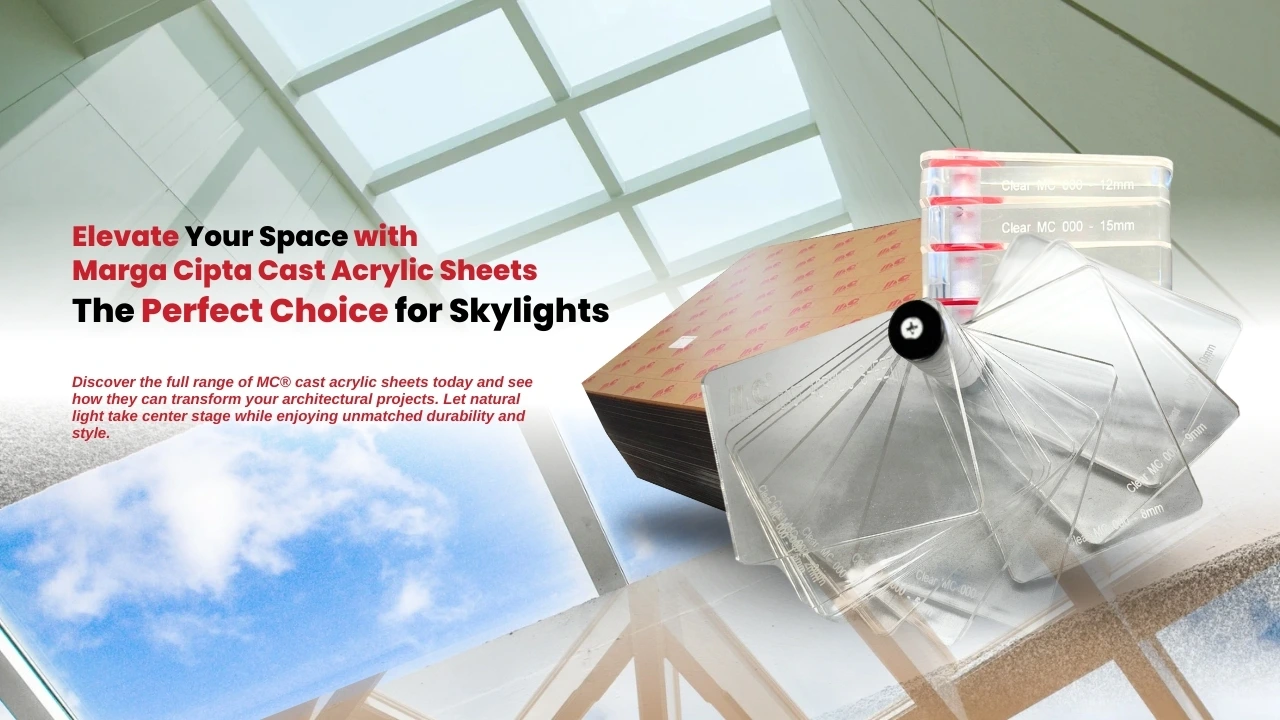
Elevate Your Space with Marga Cipta Cast Acrylic Sheets: The Perfect Choice for Skylights

Elevate Your Space with Marga Cipta Cast Acrylic Sheets: The Perfect Choice for Skylights

Imagine a living or working environment illuminated by soft, natural light streaming through a beautifully crafted skylight—a space where innovation and elegance converge seamlessly. This vision becomes a reality with MC® acrylic sheets, a superior solution that redefines skylight design for both residential and commercial projects.

Why MC® Acrylic Sheets Are a Game-Changer

At MC, we understand the critical balance between aesthetic appeal and functionality. Our premium acrylic sheets are meticulously engineered to deliver exceptional light transmission, energy efficiency, and long-lasting durability. These qualities make them ideal for creating stunning skylights that elevate your space and stand the test of time.

Unparalleled Clarity and Light Transmission

One of the standout features of MC Cast acrylic sheets is their remarkable ability to transmit light. With high optical clarity, these sheets ensure that your skylights fill the room with a warm, inviting glow. This enhances both the atmosphere and the overall functionality of the space.

Unlike traditional materials, MC Cast acrylic sheets resist yellowing over time, maintaining their pristine appearance and light-transmitting properties for years. This means your skylight continues to look as breathtaking as the day it was installed.

Built to Endure Harsh Conditions

Skylights are constantly exposed to the elements, from intense sunlight to heavy rainfall and strong winds. MC cast acrylic sheets are engineered to withstand these challenges without compromising their structural integrity or aesthetic appeal.

  • Weather Resistance: Our sheets are designed to endure temperature fluctuations, UV exposure, and moisture, making them suitable for various climates.
  • UV Protection: Protecting your interiors from harmful UV rays is essential. MC Cast acrylic sheets offer excellent UV resistance, ensuring your furnishings and décor remain vibrant and undamaged.
  • Impact Resistance: Despite their lightweight nature, these sheets are incredibly robust, providing superior protection against potential impacts.

Energy Efficiency for Sustainable Spaces

Sustainability is at the core of modern architectural design. MC cast acrylic sheets contribute to energy-efficient spaces by diffusing light evenly, reducing glare, and minimizing the need for artificial lighting.

The diffusion of natural light not only enhances comfort but also helps reduce energy consumption. This makes MC Cast acrylic sheets an eco-friendly choice for forward-thinking architects and designers.

Seamless Installation and Versatility

Thanks to their lightweight yet durable properties, MC Cast acrylic sheets are incredibly easy to work with during installation. Their flexibility allows architects and builders to explore creative skylight designs without limitations.

Whether you’re aiming for a minimalist aesthetic or an intricate architectural feature, these sheets offer the versatility to bring your vision to life.

  • Lightweight Construction: Makes transportation and installation more manageable.
  • Customization Options: Tailor your skylight design with sheets available in various sizes, colors, and finishes.
  • Cut and Shape Freedom: Create bespoke designs that align with your architectural goals.

Tailored Solutions for Diverse Projects

No two projects are the same, and Marga cipta understands this. Our range of acrylic sheets can be customized to suit the unique requirements of your project.

  • Residential Skylights: Brighten up living spaces with natural light, creating a cozy and welcoming environment.
  • Commercial Atriums: Make a bold statement in office buildings, malls, and public spaces with expansive, light-filled skylights.
  • Specialty Applications: From greenhouses to artistic installations, MC cast acrylic sheets provide the versatility needed for specialized projects.

Aesthetic Elegance Meets Practical Functionality

Beyond their technical attributes, MC Cast acrylic sheets elevate the aesthetic appeal of any space. Their sleek, modern appearance adds a touch of sophistication, making them a favorite among designers and architects alike.

The customizable finishes allow you to achieve the exact look and feel you desire, whether it’s a glossy, polished surface or a matte finish for a more subdued effect.

Sustainability and Environmental Responsibility

Choosing MC cast acrylic acrylic sheets is not just a design decision—it’s a commitment to sustainability. These sheets are recyclable, contributing to eco-conscious building practices.

By reducing the need for artificial lighting and offering long-lasting performance, MC cast acrylic sheets help minimize the environmental impact of your architectural projects.

Customer Support and Expertise You Can Rely On

At Marga cipta, we pride ourselves on providing exceptional customer support. Our team of experts is available to guide you through the selection process, ensuring you find the perfect acrylic sheet solution for your skylight project.

We also offer technical support during installation, helping you achieve flawless results.

Transform Your Space with MC® Cast Acrylic Sheets

When it comes to creating breathtaking skylights that stand the test of time, MC cast acrylic sheets are the clear choice. Their combination of clarity, durability, and versatility makes them the go-to solution for architects, designers, and homeowners looking to elevate their spaces.

Whether you’re envisioning a sleek, modern skylight for a commercial project or a cozy sunlit feature in your home, Marga Cipta has the perfect solution to bring your vision to light.

Ready to Redefine Skylight Design?

Discover the full range of MC cast acrylic sheets today and see how they can transform your architectural projects. Let natural light take center stage while enjoying unmatched durability and style.

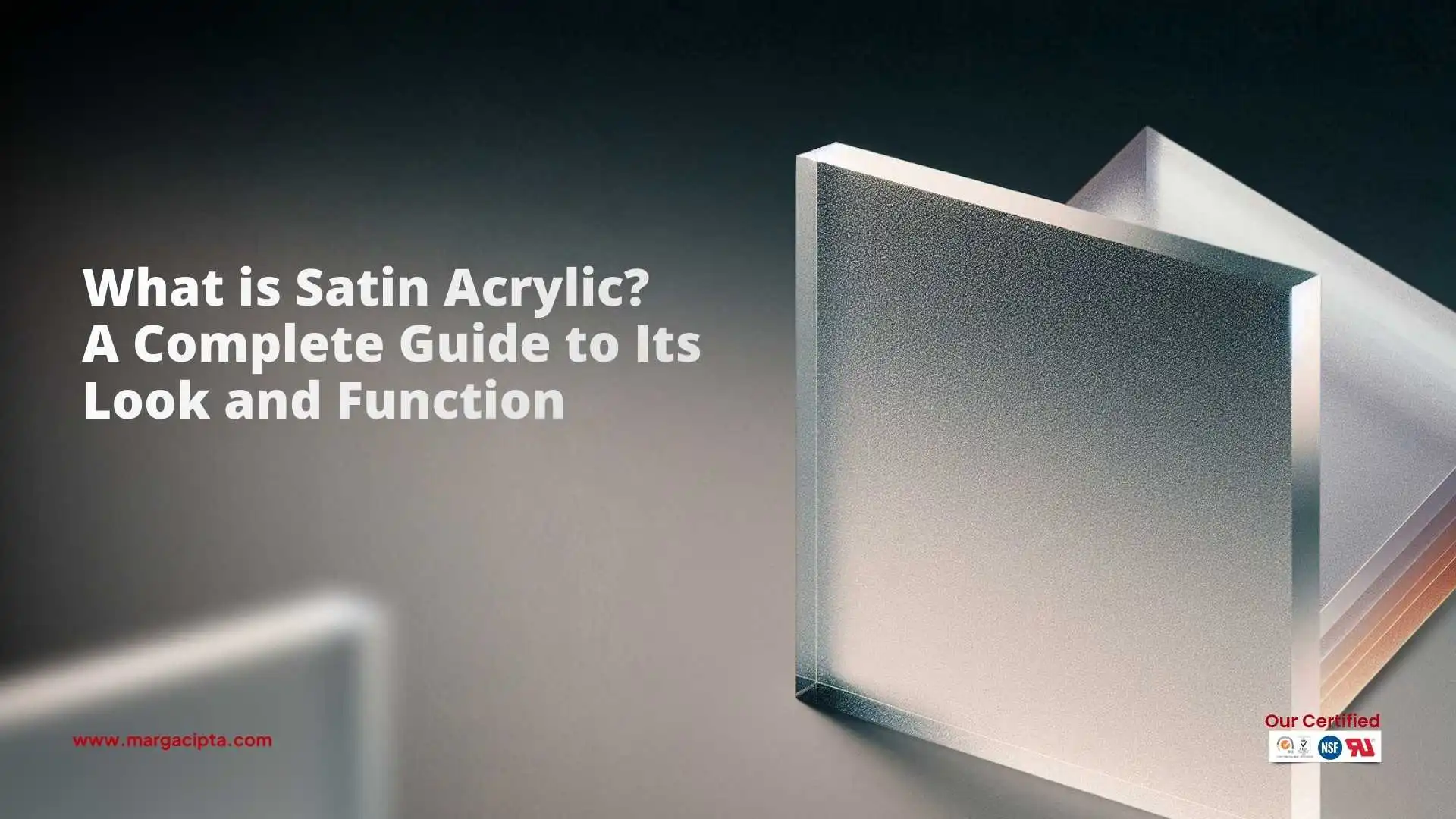
What is Satin Acrylic? A Complete Guide to Its Look and Function

Satin acrylic is a type of acrylic sheet with a smooth matte surface that reduces glare while maintaining a clean and premium appearance.

It is commonly used for signage, interior design, displays, and decorative applications where a softer visual finish is preferred over high gloss.

Compared to standard glossy acrylic, satin acrylic provides a more subtle and elegant look while still offering the durability and fabrication flexibility of acrylic material.

What Makes Satin Acrylic Different?

The main difference between satin acrylic and regular acrylic lies in the surface finish.

Standard acrylic sheets usually have a glossy, reflective appearance. Satin acrylic, on the other hand, features a matte or low-sheen surface that diffuses light more evenly.

This creates:

  • Reduced reflections
  • Softer visual appearance
  • Better fingerprint resistance
  • More modern aesthetic

Because of these characteristics, satin acrylic is often selected for projects that require a premium and minimalistic look.

Read also: Best Acrylic Thickness for Ornaments: Size Guide for Perfect Results

Key Features of Satin Acrylic

Satin acrylic combines aesthetics with practical functionality.

Some of its main advantages include:

1. Reduced Glare

The matte surface helps minimize light reflection, making it suitable for brightly lit spaces.

2. Elegant Appearance

Its smooth satin finish creates a sophisticated and modern visual effect.

3. Better Fingerprint Resistance

Compared to glossy acrylic, fingerprints and smudges are less visible on satin surfaces.

4. Lightweight and Durable

Like other acrylic sheets, satin acrylic remains lightweight while offering good impact resistance.

Common Applications of Satin Acrylic

Satin acrylic is widely used across commercial and decorative industries.

Popular applications include:

  • Interior signage
  • Office branding panels
  • Decorative wall elements
  • Retail displays
  • Furniture accents
  • Partitions and privacy panels

Its clean appearance makes it especially popular for modern architectural and interior concepts.

Satin Acrylic vs Glossy Acrylic

Both materials offer unique advantages depending on the intended use.

Satin Acrylic

  • Matte appearance
  • Softer reflections
  • Premium minimal look
  • Better for modern interiors

Glossy Acrylic

  • Highly reflective finish
  • Stronger color vibrancy
  • More transparent appearance
  • Suitable for bold visual displays

The choice depends on whether the project prioritizes subtle elegance or vibrant visual impact.

Fabrication Compatibility

Satin acrylic sheets are compatible with various fabrication methods such as:

  • Laser cutting
  • CNC cutting
  • UV printing
  • Engraving

High-quality satin acrylic helps ensure:

  • Clean cutting results
  • Consistent surface texture
  • Better finishing quality

Proper handling during fabrication is important to preserve the matte surface appearance.

Read also: Best Acrylic Thickness for Plaque: Complete Guide for Durable Results

Why Material Quality Matters

Not all satin acrylic sheets deliver the same finish and consistency.

Premium-quality acrylic offers:

  • Uniform satin texture
  • Consistent thickness
  • Better durability during processing

For businesses and manufacturers, using high-quality materials helps improve production efficiency and final product appearance.

Marga Cipta supplies high-quality acrylic sheets in various finishes, including satin acrylic for fabrication and decorative applications.

Conclusion

Satin acrylic is an excellent material choice for projects that require a modern, elegant, and low-glare appearance.

With its matte finish, durability, and fabrication flexibility, satin acrylic is widely used for signage, interiors, and decorative applications. Choosing high-quality acrylic sheets helps ensure more professional and visually consistent results.

Ready to explore our cast acrylic options? At Margacipta Wirasentosa, we offer high-quality clear cast acrylic sheets from 100% virgin MMA in various thicknesses and custom sizes to fit your needs.

Reach out to our Instagram or download our Product Catalog for more information.

Acrylic vs Polycarbonate: Full Comparison

When choosing the right plastic material for your project, the debate between acrylic vs polycarbonate often comes up. 

Both materials are widely used in industries such as construction, signage, and manufacturing, but they have distinct characteristics that make them suitable for different applications.

Acrylic Versus Polycarbonate

Understanding their differences can help you make a more informed decision based on performance, durability, and cost.

1. Strength and Impact Resistance

One of the key differences between acrylic and polycarbonate lies in their strength, but for most applications, acrylic already offers more than enough durability.

Acrylic is a strong and rigid material, even stronger than glass in many cases, making it highly reliable for everyday use. Its solid structure allows it to maintain shape and stability, which is especially important for applications like displays, signage, partitions, and decorative panels.

While polycarbonate is often highlighted for its extreme impact resistance, this level of durability is typically only necessary for high-stress or industrial applications. For general commercial and design purposes, acrylic provides the ideal balance between strength and functionality.

Read also: How to Identify High-Quality Cast Acrylic Sheets

2. Clarity and Aesthetics

If visual clarity is your top priority, acrylic is the clear winner. Acrylic sheets offer exceptional optical clarity, often compared to glass, with a light transmission rate of up to 92%.

This makes it ideal for applications such as retail displays, aquariums, and architectural elements.

Polycarbonate is slightly less clear and may have a subtle haze. While still transparent, it does not provide the same premium look as acrylic.

3. Scratch Resistance

Acrylic has better natural scratch resistance compared to polycarbonate. This makes it more suitable for applications where surface appearance is important.

Polycarbonate, while stronger, is more prone to scratches and often requires additional coatings to maintain its appearance over time.

4. Weather and UV Resistance

Acrylic performs very well in outdoor environments. It has excellent UV resistance and does not yellow easily, making it a great choice for outdoor signage, skylights, and decorative panels.

Polycarbonate can also be used outdoors but usually requires UV coating to prevent yellowing and degradation over time.

5. Workability and Fabrication

Acrylic is easier to cut, polish, and thermoform. It provides clean edges and a glossy finish, making it a favorite for design-focused applications.

Polycarbonate is more flexible and harder to crack during fabrication, but it can be more challenging to achieve a polished, high-end finish.

Read also: Acrylic for Industrial Use: From Machine Guards to Safety Barriers

6. Cost Consideration

In general, acrylic is more affordable than polycarbonate. If budget is a key factor and extreme impact resistance is not required, acrylic is often the more cost-effective option.

Polycarbonate tends to be more expensive due to its superior strength and durability.

Conclusion

The choice between acrylic vs polycarbonate ultimately depends on your project needs. If you prioritize clarity, aesthetics, and cost-efficiency, acrylic is the better option. However, if impact resistance and durability are critical, polycarbonate is the superior material.

For most commercial and design applications, acrylic offers the best balance between performance and visual appeal.

Ready to explore your clear cast acrylic options? At Margacipta Wirasentosa, we offer high-quality clear cast acrylic sheets from 100% virgin MMA in various thicknesses and custom sizes to fit your needs.

Reach to our Instagram or download our Product Catalog for more information.
Cost Breakdown: How Acrylic Can Help You Save Budget in Long-Term Projects

When planning long-term projects, material selection plays a crucial role in determining overall costs. While acrylic sheets may appear more expensive upfront compared to some alternatives, they often deliver significant acrylic cost savings over time.

Understanding the full cost breakdown can help businesses, contractors, and designers make smarter investment decisions.

Initial Material Cost vs Long-Term Value

At first glance, acrylic sheets may have a higher purchase price than basic materials such as glass or plastic composites.

However, acrylic offers superior strength-to-weight ratio and durability. This means fewer replacements, less breakage, and lower repair expenses throughout the project lifecycle.

For long-term installations like interior panels, signage, safety barriers, and industrial components, choosing acrylic reduces the risk of unexpected replacement costs.

Reduced Installation and Labor Costs

One of the key contributors to acrylic cost savings is easier installation. Acrylic sheets are significantly lighter than glass, which reduces transportation expenses and simplifies handling during installation.

Lighter materials require less structural support, allowing contractors to save on framing and reinforcement costs. Faster installation also means reduced labor hours, especially in large-scale commercial and industrial projects.

Read also: How to Identify High-Quality Cast Acrylic Sheets | Buyer’s Guide

Lower Maintenance and Replacement Expenses

Maintenance costs can quickly add up in long-term projects. Acrylic is resistant to moisture, corrosion, and many chemicals, making it suitable for both indoor and outdoor use.

Unlike glass, acrylic is less likely to shatter on impact. This minimizes repair costs and reduces downtime in operational environments such as factories, retail spaces, and public facilities. Over time, these factors contribute to substantial budget efficiency.

Energy Efficiency and Operational Savings

Acrylic sheets offer excellent light transmission, allowing natural light to pass through while maintaining insulation. In architectural applications, this can help reduce reliance on artificial lighting and lower energy consumption.

For projects such as skylights, partitions, and display panels, improved energy efficiency translates into long-term operational savings, supporting both budget and sustainability goals.

Durability and Long Service Life

High-quality acrylic sheets are designed to withstand UV exposure, temperature changes, and daily wear. This durability extends the service life of the material, reducing the frequency of replacement.

In outdoor applications, acrylic maintains clarity and structural integrity longer than many alternative materials. This longevity plays a major role in maximizing return on investment for long-term projects.

Read also: Does Acrylic Shatter? Find Out Its Strength and Durability

Cost Comparison: Acrylic vs Alternative Materials

When comparing acrylic to materials like glass or polycarbonate, it is important to evaluate total ownership cost rather than initial price alone. Acrylic often offers a balanced combination of durability, appearance, and affordability.

While glass may require frequent replacements and higher installation costs, acrylic provides a safer and more economical solution for projects that demand long-term performance.

Conclusion

Acrylic cost savings become clear when evaluating the complete cost breakdown of long-term projects. From reduced installation and maintenance expenses to energy efficiency and durability, acrylic delivers measurable financial benefits over time.

By choosing acrylic sheets for long-term applications, businesses can protect their budgets while achieving reliable performance and lasting value.